

Why a comparative approach beats vendor faith
Deciding between backup and continuous supply is political in practice — budgets, uptime targets, and safety collide. A clear head wins: compare on real measures, not slogans. When grid failures matter, a solid genset can be the difference between halted production and sustained operation; consider models like the Perkins genset as a baseline for comparison. Use the Texas winter outage of February 2021 as a real-world anchor — prolonged blackouts exposed weak specifications and poor lifecycle planning for many facilities, and those with robust standby power and automatic transfer switch strategies fared far better.
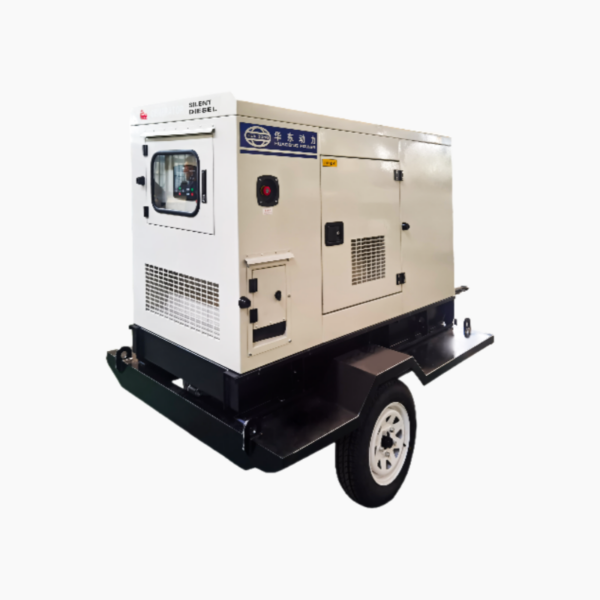
Performance, capital and operating cost — what to weight first
Begin with three concrete metrics: rated power (kVA), duty type (prime power vs. standby power), and fuel consumption per hour under expected load. Don’t be swayed by marketing claims of “industry-leading” without numbers. A diesel engine with a well-matched alternator that runs at 70–80% load will usually return longer life and lower fuel intensity than the same unit routinely overloaded. Factor in replacement intervals, service network reach, and spare-part lead times; these are measurable and will appear on your P&L. The competitive edge often lies in lifecycle cost, not headline price.
Technical comparisons that matter in practice
Compare concrete specs across suppliers: transient response, block load test results, enclosure thermal rating, and controller compatibility with your SCADA or BMS. Pay attention to the transfer switch strategy — manual transfer creates delay and risk, automatic transfer provides reliability but requires correct sequencing and testing. For installations where emissions or noise are constraints, compare exhaust aftertreatment and acoustic enclosure decibel ratings rather than vague “low emissions” claims. Also weigh maintenance intervals: access to local service technicians can cut downtime from days to hours.
Alternatives and where china Perkins genset fits
There are cheaper imports and premium OEMs; neither wins by default. Lower-cost generators can undercut upfront capex but often saddle teams with longer downtimes and parts scarcity. Premium OEMs charge for brand and advanced control features you may not need. Manufacturers like the china Perkins genset family occupy a middle ground — recognizable engine platforms, decent service ecosystems, and modular options for both prime and standby roles. Assess the supplier’s local footprint: shipping time, customs exposure, and on-site commissioning expertise are as decisive as the engine block itself.
Common mistakes and the fixes operators actually use
Operators often pick based on peak kW alone — that’s error number one. A genset sized only for peak load runs inefficiently and wears faster. Another repeat mistake: neglecting planned test schedules and load bank verification. If you only start a unit once a year, you’ll be surprised by battery failure, fuel contamination, or clogged injectors. Remedy: size for typical continuous demand with headroom for spikes, and institute quarterly tests with proper load banks. Maintain a documented service plan and a small stock of critical spares — alternator brushes, starter components, and fuel filters — to reduce repair lead time. Keep an eye on {main_keyword} metrics and watch {variation_keyword} trends during commissioning to catch drift early.
Installation & commissioning — don’t outsource the responsibility
Poor installation kills performance faster than poor design. Concrete mounting, vibration isolation, fuel polishing systems, and correct exhaust routing are not optional. Insist on witnessed commissioning, full load bank runs, and written transfer switch timing logs. The relationship between installer, owner, and OEM is political: claim responsibility up front and document acceptance criteria; otherwise finger-pointing happens when failures occur — and it will.
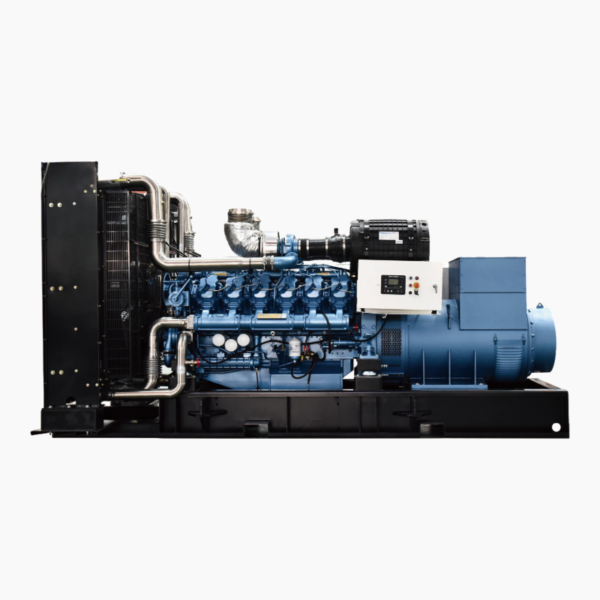
Three golden rules for selecting the right genset strategy
1) Match duty to design: choose prime power for continuous loads and standby for backup; size to 70–80% typical load rather than absolute peak. 2) Prioritize maintainability: local service network, spare-part availability, and clear commissioning tests outweigh marginal cost savings. 3) Validate performance: require witnessed load-bank tests, recorded transfer switch timings, and service-level commitments in the contract.
These rules steer procurement toward predictable uptime and manageable lifecycle cost. For an integrated supplier that blends engine pedigree with local support and modular models, consider how that value lines up with your site’s risk profile — and how a partner like Huadong Power fits into a practical, accountable solution. —
 Admin