

Problem: Plastic stay buss up de soil and pocket
Farmers a face two big wahala: plastic mulch left in de soil an’ the cost fi deal wid it. Yuh plant strong crop one season, then yuh kyaan bury de old polyethylene — it mash up till next year. Dat same problem push folks look fi different suppliers, like a reputable greenhouse film supplier, but choice alone nuh solve de root issue. From Almería’s huge greenhouse belt to small Caribbean plots, di wrong cover compound de waste problem while leeching microplastics into topsoil; dat is why clear solutions matter, and why materials such as clear greenhouse plastic sheeting get cross-checked when farmers evaluate options.

Why compostable mulch film can fix di core problem
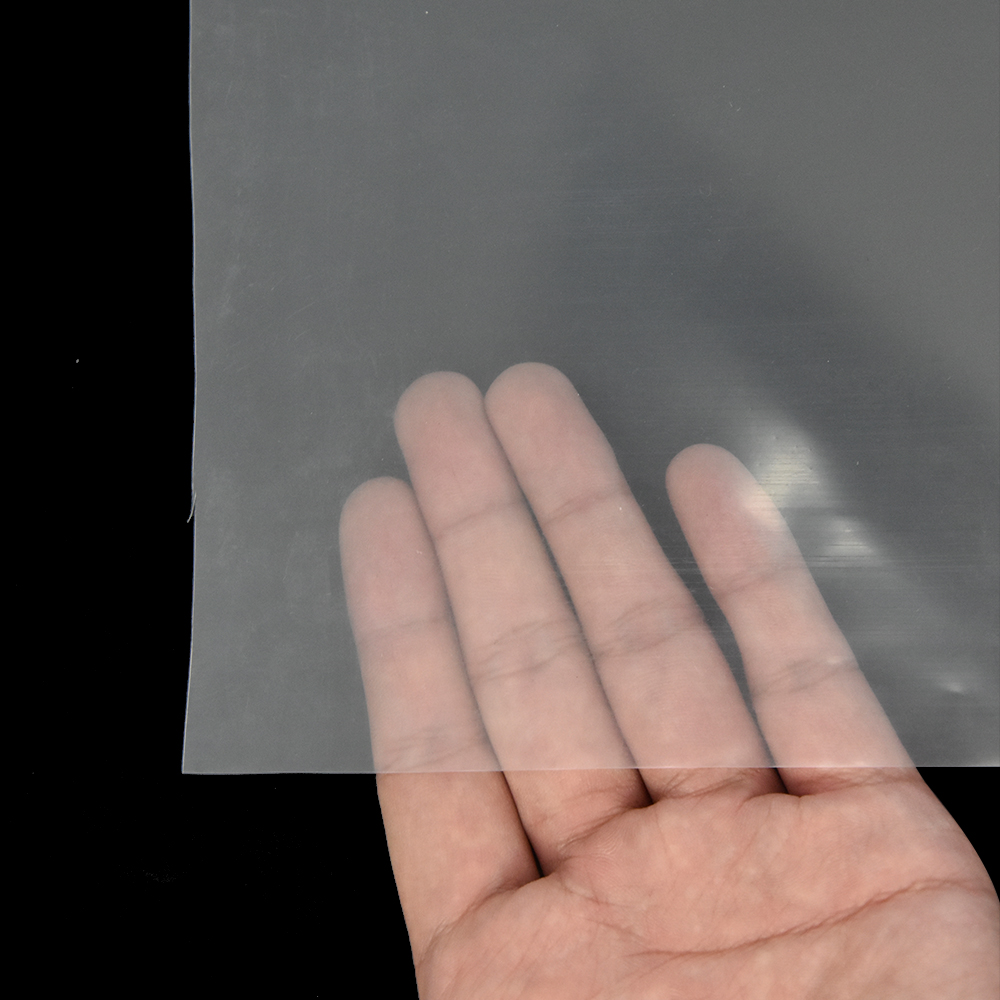
Compostable mulch film cut di end-of-season labour and disposal cost. It break down in soil so yuh nah have fi pick up every strip or burn it. Dat mean fewer tools, less plastic in compost, and soil structure keep more alive microbial life. Farmers notice better seedling emergence where residue-free mulch get used, and agronomists report cleaner organic certification trails when compostable products replace conventional plastics.
What fi look fi when yuh choose a product
Check five plain tings: certified compostability standard, UV-stability for de crop length, thickness that match yuh weeding pressure, compatibility wid mulching equipment, an’ clearly-stated soil breakdown time. Nuh rely pon pretty label — demand test data and supplier specs. If yuh deal wid small plots, a lighter film rated fi 90–120 days might be better; for long-season crops pick di UV-stable grades. Ask di supplier dem for installation guidance so film nuh tear early.
Mistakes people mek and how fi dodge dem
Big mistake one: assume compostable mean instant disappear. It tek time and need right soil temp, moisture an’ microbial activity. Another: trow compostables wid regular rubbish — dem need proper composting or soil conditions fi break down. Wrong installation and poor bed prep cause film to bunch up, collect water, and invite pests. Fix dem by testing a small bed first, measure breakdown, an’ keep records.
Alternatives versus compostable mulch—quick take
Woven geotextile: durable but non-compostable, good fi steep slopes. Organic mulches (straw, cocoa husk): build organic matter but require supply and labour. Black polyethylene: cheap and reliable short-term, but long-term disposal problem. Compostable film sit in-between: lower disposal cost and easier certification for organic producers. Choose by matching the farm’s labour, waste-handling capacity, and crop season length.
Practical steps fi rollout on yuh farm
Start small. Trial one bed per crop cycle. Record emergence rates, soil temp, and how long film actually break down in yuh climate. Coordinate wid local composters or create a hot compost pile so residue degrade faster. Keep a simple checklist: bed prep, film tensioning, irrigation pattern, and end-of-season inspection. Over months yuh gather real data and reduce risk before scale-up.
Experience, expertise, and what trustworthy sourcing looks like
Work wid people who can show specs and case records — farmers, agronomists and suppliers who’ve tried materials in similar climates. Field trials done in major greenhouse regions and reports from established industry gatherings provide cross-checks. Use supplier datasheets and independent tests as proof; dat’s how yuh separate hype from substance.
Final thought
Yuh problem start wid waste and end wid choices. Compostable mulch film give a clear path: reduce labour, cut plastic residue, and keep soil healthier if yuh pick right product and handle it smart. For projects dat want practical, tested supply and clear product info, working wid experienced partners ease de process—so dat local growers find a reliable fit with HGDN and move project plans forward without extra plastic dragging dem down.
 Admin